

Researchers from the Sydney Precision Data Science Centre (SPDS) are among the authors of a new paper in the prestigious journal Nature Genetics, providing valuable insights into the rapidly evolving field of spatial transcriptomics
The paper, titled ‘Principles and assumptions underlying domain detection in spatial transcriptomics’, presents a comprehensive review of 47 spatial-omics clustering methods, examining 108 variables across 26 categories of method characteristics and applicability.
Spatial transcriptomics is transforming our understanding of how cells are organised within biological tissues, offering new opportunities to explore fundamental biology and the development of disease. However, the growing number of computational methods available can make it challenging for researchers to select the most appropriate approach for their data and research questions.
To address this challenge, the research team developed an analytical decision tree to guide researchers in selecting suitable methods. The study also identifies important gaps in existing approaches, highlighting opportunities for future methodological development.
The research was conducted in collaboration with Associate Professor Stephanie Hicks from Johns Hopkins University (USA) and supported by the Chan Zuckerberg Initiative through the Single Cell Biology Data Insights grant.
This work provides a valuable resource for the research community, helping to improve the application of spatial transcriptomics methods and guide future innovation in this rapidly advancing field.
Paper available online: https://www.nature.com/articles/s41588-026-02812-7
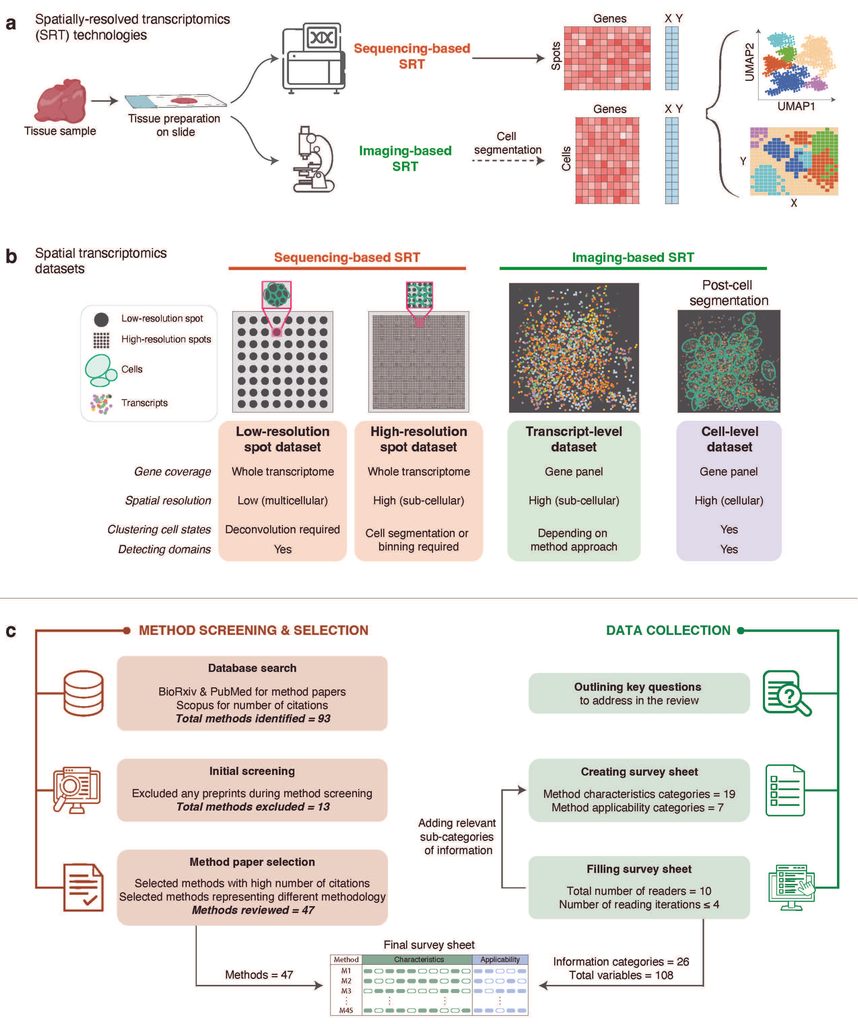
Fig. 1 | Schematic illustration of SRT technologies and workflow for our
systematic review of SOC methods.