

- This event has passed.
Joint PhD student presentations
September 14 @ 1:00 pm – 2:00 pm
This was a hybrid event with two presentations.

Interpretable analytical methods for characterising disease-associated phenotypic modulation of cells
Speaker: Elijah Willie, University of Sydney
Realising the analytical potential of single-cell technologies requires computational frameworks that address fundamental challenges in characterising cellular heterogeneity and disease-associated phenotypes. High-throughput cytometry and spatial omics platforms have advanced substantially in their resolution and throughput, enabling simultaneous measurement of dozens of parameters across millions of cells. However, these technologies present analytical obstacles including technical artifacts, batch effects, and the complexity of spatial interactions that limit biological discovery and clinical application. Addressing challenges such as robust cell type identification, cross-cohort transferability, and spatial variance decomposition necessitates the development of innovative computational approaches.
To this end, this work contributes to single-cell computational biology by (1) establishing a multiview framework that harmonizes correlation and distance metrics through ensemble learning, overcoming similarity metric limitations in imaging cytometry to enable robust identification of cellular phenotypes, (2) developing transferable deep learning approaches combining batch-agnostic normalization with hierarchically-structured feature selection to enable cross-institutional validation of cytometry-based biomarkers, and (3) creating variance decomposition methods for spatial transcriptomics that quantify cell type-specific interactions while correcting for lateral spillover, revealing how proximity modulates gene expression programs in breast cancer and melanoma. The frameworks presented here provide validated computational tools that advance single-cell analysis and establish foundations for future development of interpretable methods that characterise disease-associated cellular modulation.
Multimodal learning for organ transplant diagnostics
Speaker: Harry Robertson, University of Sydney
Kidney transplantation remains the only solution for end-stage renal failure, yet chronic immune injury and reactive monitoring limit long-term graft survival and patient quality of life. Current strategies to monitor patients are reactive and require invasive biopsies to diagnose allograft dysfunction. These biopsies are assessed by semi-quantitative criteria with known between-reader variability. This thesis develops 1) a blood test for allograft rejection and 2) a co-pilot for renal biopsy assessment. To develop our blood test, we first assembled PROMAD, the largest transcriptomic resource in the field, spanning more than 150 studies and 12,000 samples across kidney, heart, liver and lung transplantation. By developing TOP, a novel transfer learning framework, we produced an organ-agnostic blood test that predicts biopsy-proven rejection (AUC=0.81), outperforming the current standard-of-care. Next, we developed RenalAgent an AI co-pilot that reads kidney biopsies, scores lesions and produces evidence-linked reports. Across 15,082 biopsies from Mass General Brigham (MGB), RenalAgent achieved high concordance with expert pathologists (mean kappa=0.73 across 16 tasks). In external cohorts from Australia, Europe, and Mt Sinai (US), RenalAgent demonstrated prognostic utility through longitudinal assessment, predicting graft loss better than the current standard-of-care. Together, these contributions aim to advance precision monitoring for transplant recipients.
Subscribe to our seminar mailing list
Find out more about the Statistical Bioinformatics seminar series
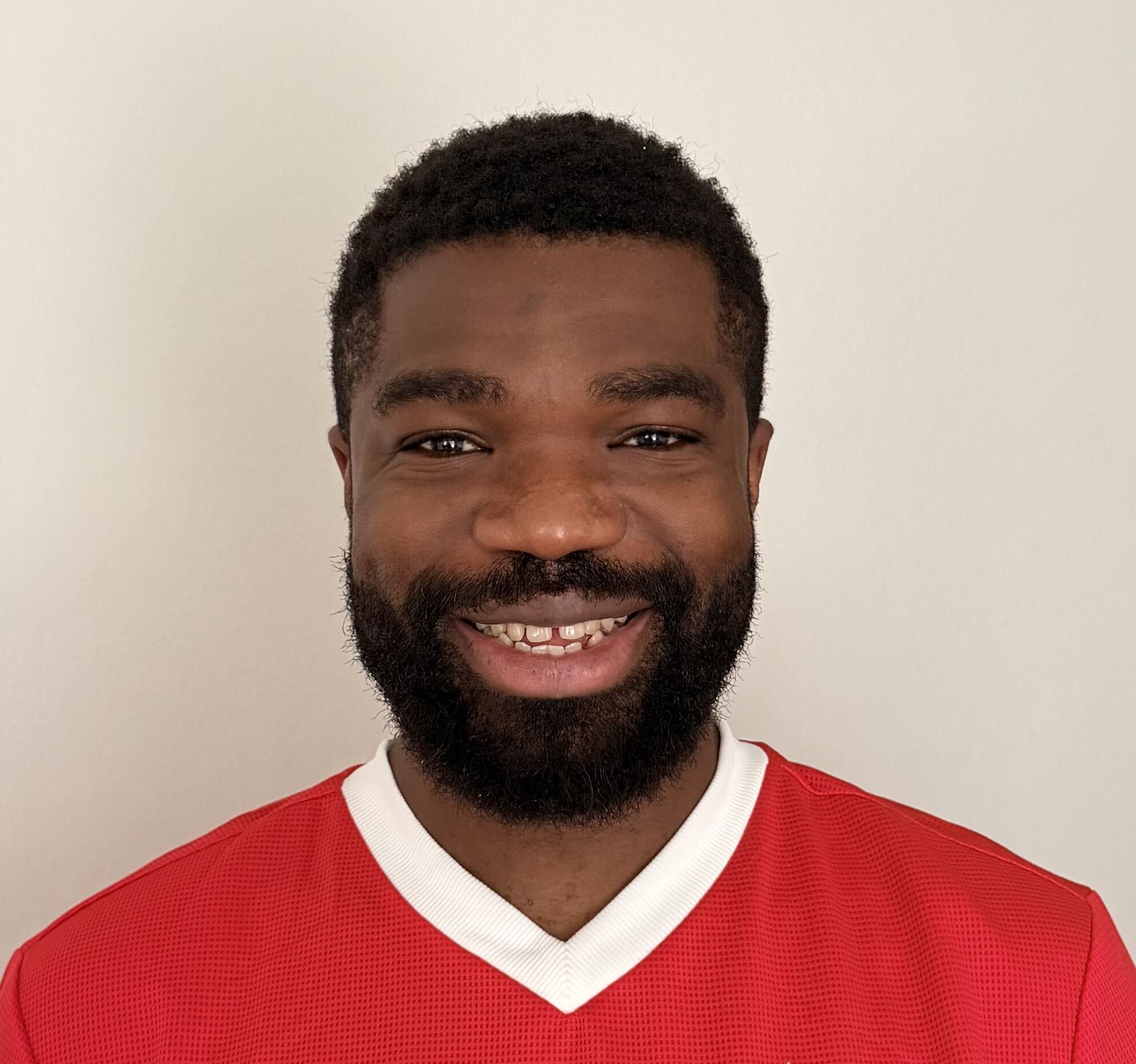
Elijah Willie
Elijah studied computer science and molecular biology as an undergraduate at Simon Fraser University, then completed a master’s in bioinformatics at the University of British Columbia. After a few years working as a bioinformatician, he began his PhD at the University of Sydney in 2022 and completed it in 2025.
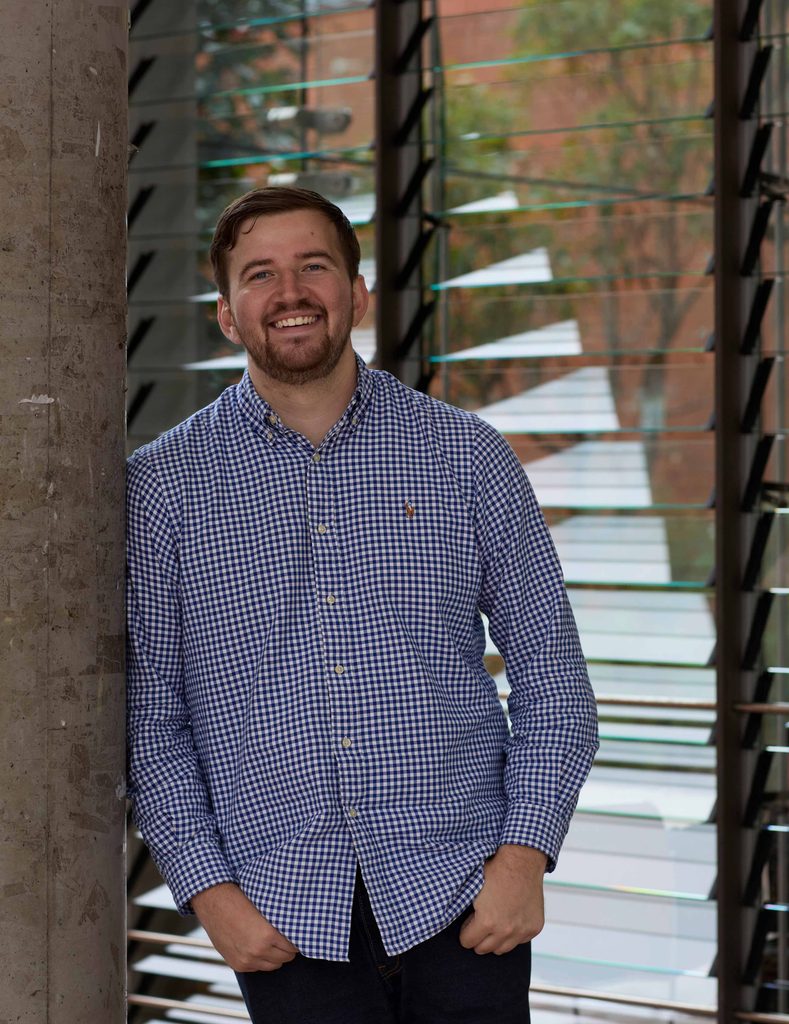
Harry Robertson
Harry completed his undergraduate degree in applied medical science at the University of Sydney in 2021. During his PhD he received a Westpac Future Leaders Scholarship, and in 2024 a Fulbright Future Scholarship to study under Prof. Faisal Mahmood at Harvard. His work has been published in Nature Medicine.