

- This event has passed.
Coupling Single-cell Genome & Epigenome to Study Functional Consequence of Somatic SVs
May 11 @ 1:00 pm – 2:00 pm
Statistical Bioinformatics Seminar
Speaker: Dr Hyobin Jeong, Yonsei University
This was an online event held via Zoom.
Somatic structural variants are widespread in cancer, but their impact on disease evolution is understudied due to a lack of methods to directly characterize their functional consequences. We proposed a computational method, scNOVA, which utilizes Strand-seq to perform haplotype-aware integration of structural variant discovery and molecular phenotyping in single cells, by using nucleosome occupancy to infer gene expression as a read-out. Application to leukemias and cell lines identifies local effects of copy-balanced rearrangements on gene deregulation, and consequences of structural variants on aberrant signaling pathways in subclones. We discovered distinct SV subclones with dysregulated Wnt signaling in a chronic lymphocytic leukemia patient. We further uncovered the consequences of subclonal chromothripsis in T-cell acute lymphoblastic leukemia, which revealed c-Myb activation, enrichment of a primitive cell state and informed successful targeting of the subclone in cell culture, using a Notch inhibitor. More recently, scNOVA to complex karyotype acute myeloid leukemia (AML) revealed dynamic clonal evolution and targetable phenotypes. Not only cancer system, we can apply this approach to study functional effect of somatic SVs in clonal hematopoiesis and aging. Also, we are now extending scNOVA to develop scalable and broadly applicable bioinformatics methods which can link SVs to their functional effects, to enable systematic single-cell multiomic studies of structural variation in heterogeneous cell populations.
Subscribe to our seminar mailing list
Find out more about the Statistical Bioinformatics seminar series
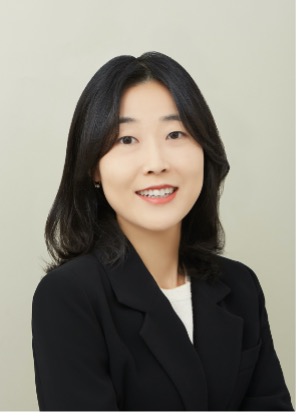
Dr Hyobin Jeong
Dr Hyobin Jeong is an assistant professor at Yonsei University in the Department of Systems Biology. She received her PhD in Interdisciplinary Bioscience and Biotechnology from Pohang University of Science and Technology (POSTECH). She has completed postdoctoral fellowships at the European Molecular Biology Laboratory (EMBL) and the Institute of Molecular Biology (IMB) in Germany, and the Institute of Basic Science in Korea. Before her current role, she was a Research Professor at the Hanyang Institute of Bioscience and Biotechnology.